Seen @ Gasoline Alley. This thing is badass cool, and reminded me of my (erstwhile?) coffee grinder (etc.) project.
Manufacturing guy-at-large.
Mailing list!
I know you're out there: The RSS readers, the folks who drop by, the people who are at least *somewhat* interested in what I'm thinking about.
So here's your chance!
I'm setting up a mailing list. Nothing fancy, just links to things I read on the internet and think are good. I read a lot, and the topics are varied, so expect a wide range of compelling to mindblowing to kind of weird stuff. I'll try to keep it predictable, concise, and relevant.
And I won't, like, spam you.
Here's a taste of my first draft:
So. Sign up below and I'll get in touch. It'll be fun.
Really.
Cartier
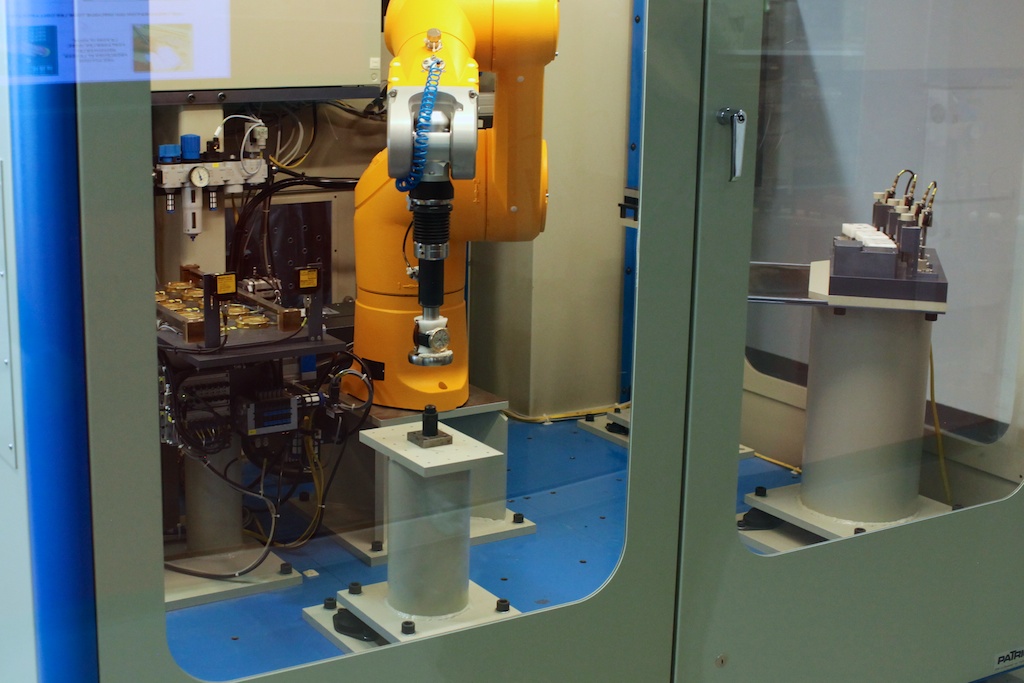
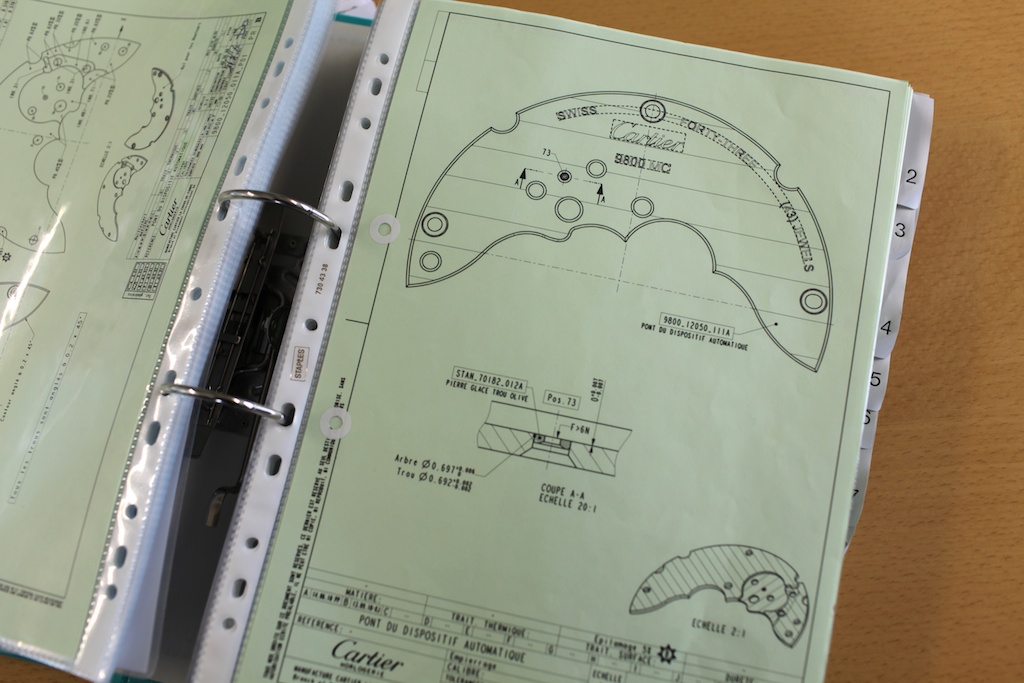
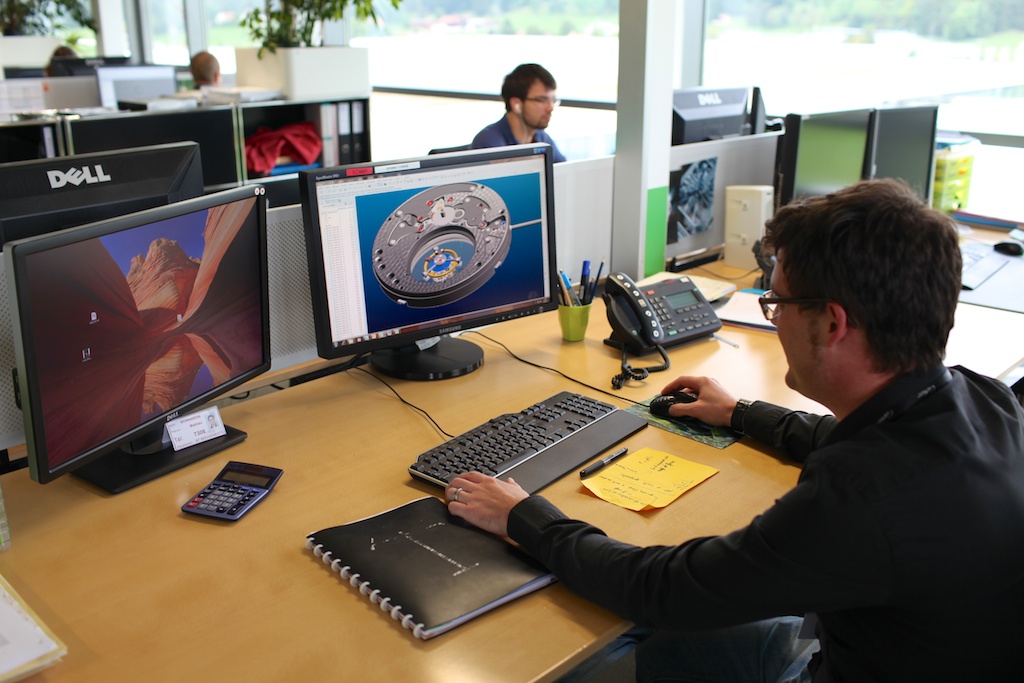
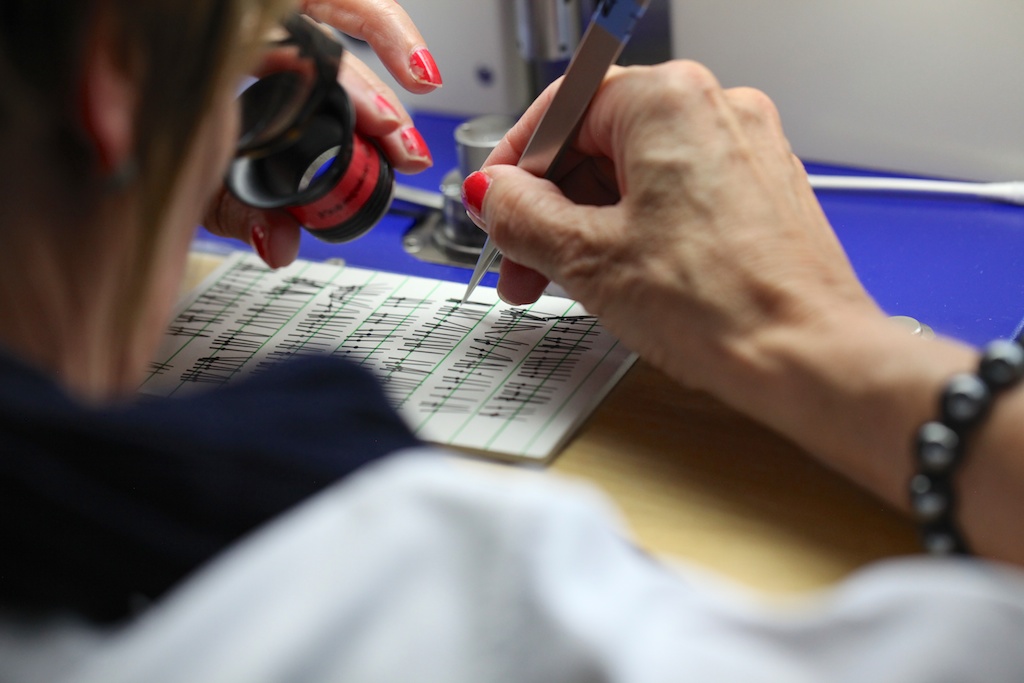
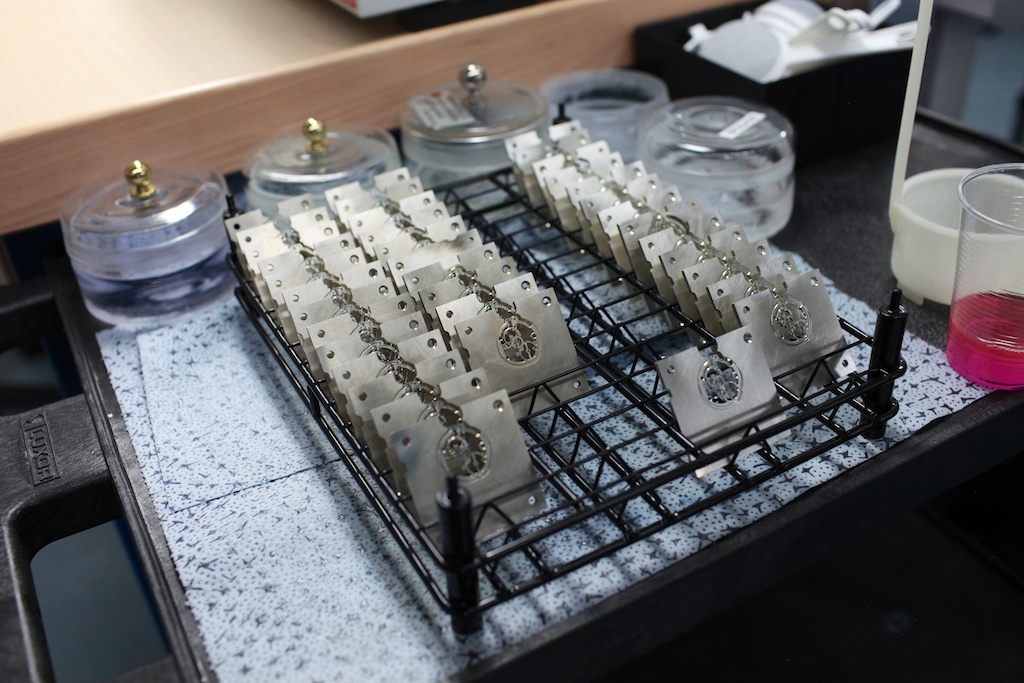
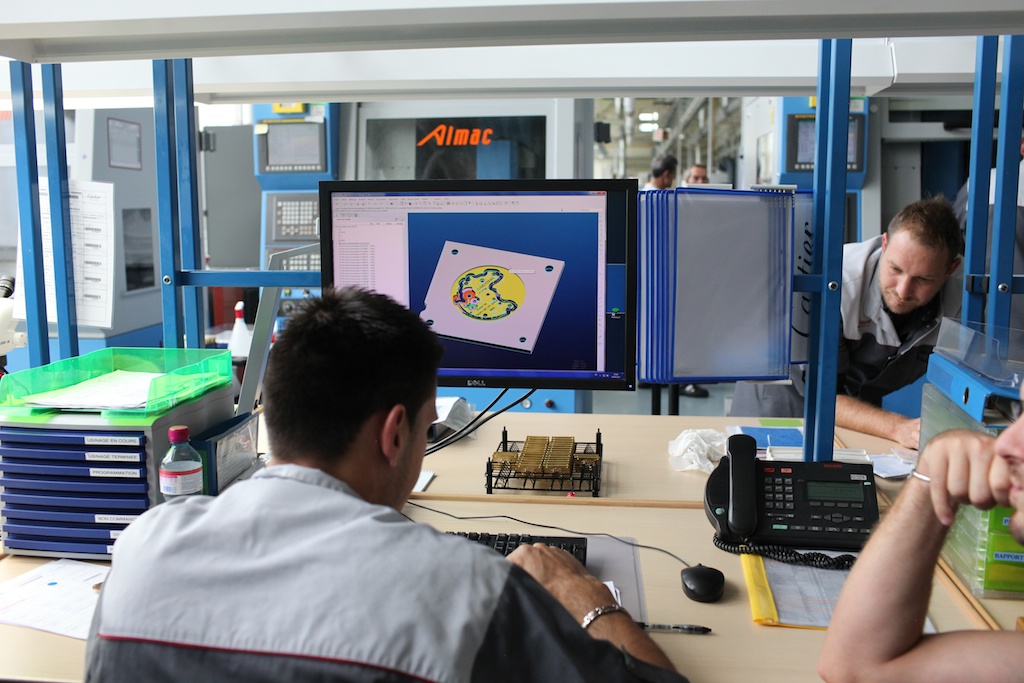
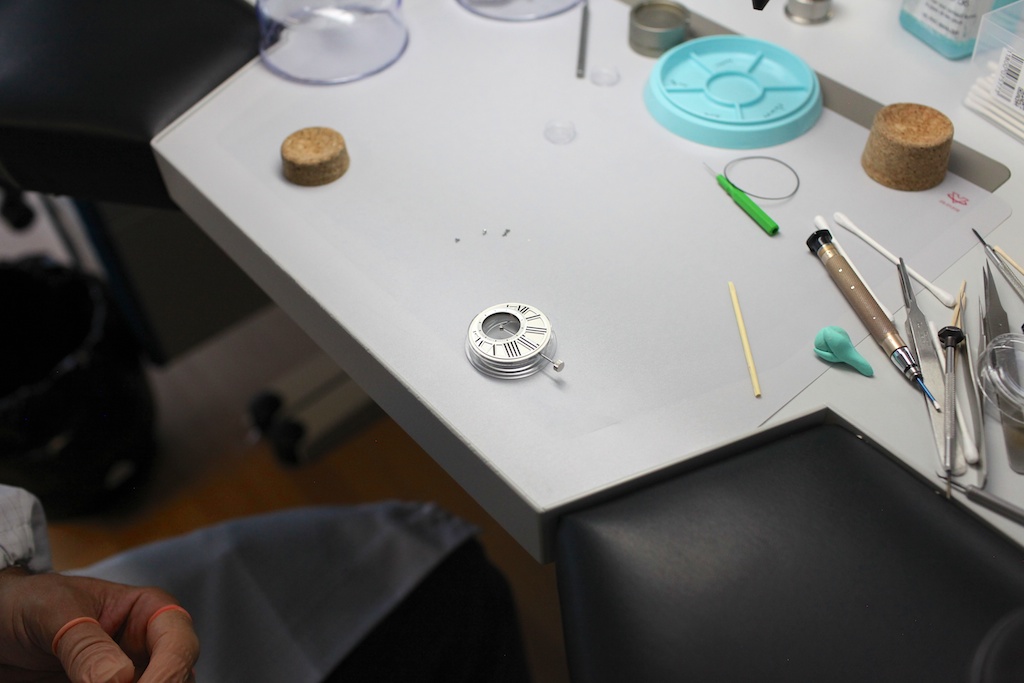
I love factory tours. These photos are excerpted from A Continuous Lean's tour of the Cartier factory in Switzerland, which looks like it'd be a treat.
Air Drive
At the risk of sounding naive
The act of putting yourself out there, of being outside of your abilities a bit. You take your experience, your expertise, and you venture a little bit beyond them. And some of what you know is applicable, but you've always got to keep in mind that whatever frameworks you're bringing to bear don't necessarily apply.
I like being this way - a bit over my head. But I'm at my best when I'm honest with that fact.
At the risk of sounding naive is a fairly good way to communicate this, in certain contexts.
Pretty lucky
This is kinda obscure, but I've spent the past few days learning all the ways that you *can't* get vector text into Autodesk Fusion 360. Fusion doesn't support text input directly, so I've been creating vector text in Illustrator and then exporting/importing. That's all fine, but there are also some issues in Fusion with importing SVGs... it's a bit unclear. Anyway I'm getting closer:
Management
We believe great management is built on a few key capabilities: giving great, inspirational feedback; active improvement of colleagues’ skills over time; and constructing project rhythms that extract outsize value from each member on a team. It’s not about efficiency or Gantt charts, it’s about helping the people around you achieve more when you’re around than when you’re not.
-Clay Parker Jones, in Medium; emphasis mine.
Misplaced Optimism
The following Q&A is excerpted from Makeway Magazine's interview with Jake Bronstein, of Flint & Tinder.
Through the journey so far, any particularly memorable stories that have helped you continue?
The first underwear factory featured in our video is particularly near and dear to my heart. It was in the foothills of PA and had been having a hard time for a VERY long time. We got them spun up making underwear (bought them a couple of pieces of equipment, learned to use it together etc) and in doing so kept nearly 100 people employed for 3 months. It wasn’t enough to keep the bank from foreclosing though. It was really hard watching, but it also crystalized the importance of what it is we’re going.
Here, a weird narrative. A "family owned and operated" factory in middle Pennsylvania is down on its luck. They're "ready for something better," so Bronstein - an entrepreneur and showman - makes them the lead role in his (highly successful) Kickstarter campaign. Here's the video:
I take Bronstein at his word that he worked intimately with his factory, and that if he could have had his way they would have remained open. But the portion of his $290K campaign that went to the factory apparently "wasn't enough to keep the bank from foreclosing," and the factory was shuttered.
The Flint & Tinder FAQ page claims that "for every 1,000 pair of underwear we sell per month, at least one sustainable job is added within our supply chain. " But what does "sustainable" mean, and why wasn't F&T able to keep the original factory open? What does a "sustainable" job look like once the bank forecloses?
I like American people as much as the next guy. But I'm highly skeptical of anyone who claims to be entering a business venture in order to lift American manufacturing out of its presumably sorry state. Poorly run operations will be shuttered, no matter where they're located. And procurement teams should choose suppliers based on whether they are able to fill orders.
I own F&T product, and I think it's totally fine. And I like a narrative as much as the next guy. But my experiences visiting factories in China were as compelling - if not more so - as my experiences visiting US facilities. As a consumer, I appreciate $.35 worth of human toil that went into making my cheap nail clippers, no matter where they came from. And as a supply chain specialist, I appreciate the vendor that can deliver what I want, when I want it, at a price that my consumers will pay for. That's all.
UPDATE: I posted this on 2013.11.11. On 2013.11.17, Flint & Tinder sent a sincere reply to me on twitter, saying they were confused by my post. I respect F&T's feelings, and will be writing up a clarification as soon as I'm able.
Working with a hardware product designer
Adapted from my answer on Quora.
Q: How do you find, hire, and work with a product designer?
As a hardware product designer myself, I can say that it's really important to be working with someone with whom you have a shared understanding of the product development process.
I've generally been lucky, but from time to time I have worked with clients who simply have a different idea about how hardware should/can/will be developed. While I tend to think that I'm right when it comes to these things, the bottom line is that it doesn't really matter: conflicts of this type are undesirable and difficult to resolve once you've entered into development.
Like with most things, it's up to the client to know what questions need to be asked. If it were me, I'd get smart in as many ways as you can. Start by going to hardware design/development/production meetups. Download a copy of Autodesk Fusion 360 and start modeling your ideas. Learn about as many manufacturing processes as you can, optimally visiting actual shops in person. The more you know, the better.
I would also recommend that you approach a designer with sketches and good specs for what you want to do and how you want it to look. In other words: if you have perspectives on these matters (some people don't, but more often they just don't communicate them effectively), you want to be clear on both design intent and aesthetics.
Something to keep in mind here: The more you bring to the table, the more clarity in your relationship with the rest of the development team, AND the less time & money you spend.
I would also, for what it's worth, take Tom Wolfe's "Man From Mars" stance, described here.
Simple Answers
Gaa xkcd so good.

Carrera
Via I Love My 911.
Dam
Flowchart
This is ambitious and possibly a little overdone. RE: My parts storage system feature requirements. Note, you can see a bigger version of this chart here.

If anyone's got feedback or thoughts on the flowchart specifically, I'm all ears. If you're actually interested in the product... well, holler.
Oh, also LucidChart is kinda cool.
Playing, a few months ago
Just a pretty diagram, showing some ideas for a marine monitoring system I was thinking about a few months ago.
I like it when technical drawings include depictions of something physical, too. Whatever about anti-skeuomorphism, right?
Cloth
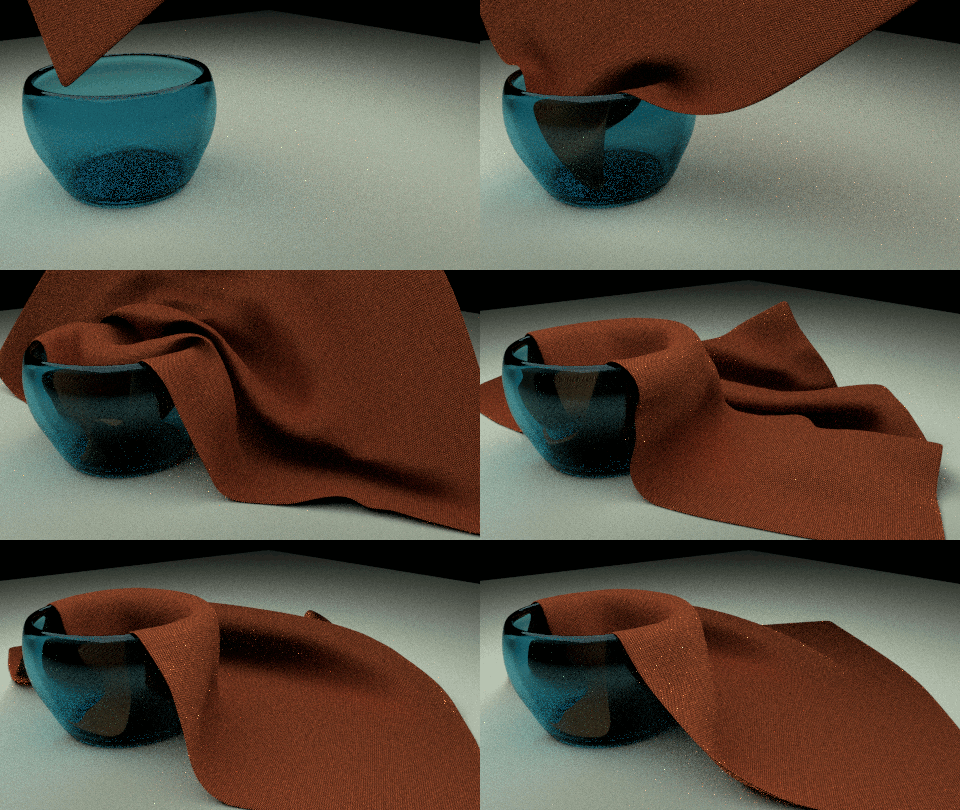
This 3D simulation, by a guy named Rusty Smith, is awesome. Found on GrabCAD.
Naked
The moment that you feel that, just possibly, you’re walking down the street naked, exposing too much of your heart and your mind and what exists on the inside, showing too much of yourself. That’s the moment you may be starting to get it right.
Neil Gaiman. Via Brad Feld and Tim Ferriss.
Stack-O-Vocals
The vocal tracks on the deluxe version of Pet Sounds are just crazy. The way they drop down into the bridge on "Wouldn't it be Nice" is really incredible.
Not about form
From Vanity Fair's recent piece on Jony Ive and Marc Newson. Emphasis mine.
“We are both obsessed with the way things are made,” Newson said. “The Georg Jensen pitcher—I’m not even sure I love the way it looks, but I love how it is made starting with a sheet of silver.”
“We seldom talk about shapes,” Ive said, referring to his conversations with Newson. “We talk about process and materials and how they work.”
“It’s not about form, really—it’s about a lot of other things,” Newson said. Both designers are fascinated by materials; they understand that the properties of a material affect the way an object is made, and that the way it is made ought to have some connection to the way it looks. Theirs is a physical world, and for all that their shared sensibility might seem to be at the cutting edge, it is really a different thing entirely from the avant-garde in design today, which is the realm of the 3-D printer, where digital technology creates an object at the push of a button, craftsmanship is irrelevant, and the virtual object on the computer screen can be more alluring than the real thing.
Ive is the son of an English silversmith, and Newson, who grew up in Australia, studied jewelry design and sculpture; both were raised to value craft above all. It’s ironic that Ive, who has had such a big hand in the rise of digital technology, is made so unhappy, even angry, by the way that technology has led to a greater distance between designers and hands-on, material-shaping skills. “We are in an unusual time in which objects are designed graphically, on a computer,” Ive said. “Now we have people graduating from college who don’t know how to make something themselves. It’s only then that you understand the characteristics of a material and how you honor that in the shaping. Until you’ve actually pushed metal around and done it yourself, you don’t understand.”
I should begin by saying that while I take issue with the finer points of Newson & Ive's comments - and with much of the pontificating that the Vanity Fair writer engages in - I found it refreshing to read this passage. I value my time building physical objects immensely, and while I'm somewhat ambivalent about some of the career decisions I've made, I'm proud of the artifacts that exist as a result.
Were I a bit more pushy re: my design career, I'd tout the above passage as gospel. But the truth is that I'm not sure I believe that designers *need* to make things first, and anyway it's not like the design world agrees wholeheartedly with Ive either (my file handling skills just aren't that much of a selling point, and with just cause).
I also take issue with the cynicism expressed re: craftsmanship being irrelevant in the age of the 3D printer. I see no a priori reason for that to be the case, and if it's indeed the way the design world sees advanced manufacturing, I'm certainly unaware of it.
My time as a craftsman was brief; I shed the term almost as soon as it could reasonably have been applied to my work. But whatever its connotations are, I'm sure that my transition to digital design and manufacturing has not infringed. Craftsmanship - whatever it consists of - does not directly correlate with the size of one's calluses. Craftsmanship is an attitude about work and a focus on a particular (and generally small) skillset. And in my opinion, the romanticization of craftsmanship that I see around me (and in the tech world specifically) is unproductive and dangerous.
Side note: I can't tell exactly which pitcher these dudes are drinking out of, but I'm pretty sure it's fancy as hell.
Improv Nonsense
Two great posts on Improv Nonsense today. The first serves as a setup:
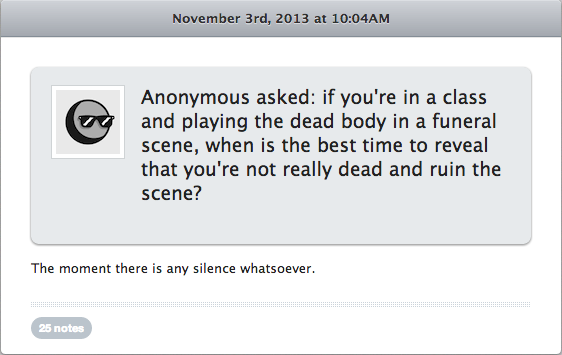
And the second is the real punchline: